You don’t need a studio to find your rhythm — you just need a little space and the will to move.
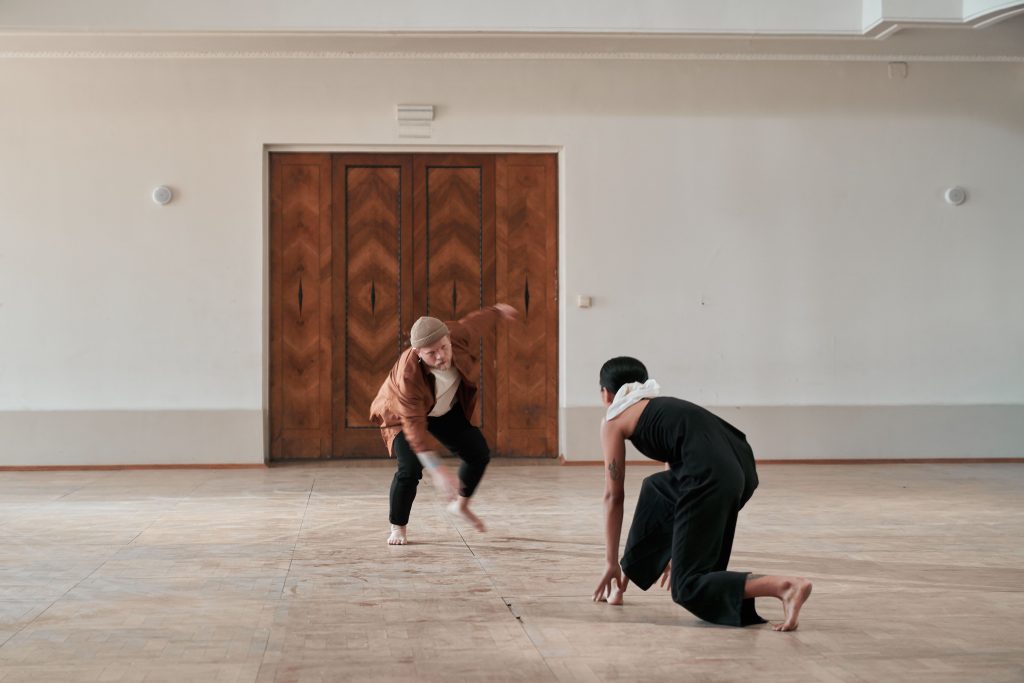
“Every expert was once a beginner.
Every pro was once an amateur.”
So you’ve decided to start dancing — welcome to one of the most joyful, expressive, and rewarding journeys you can take. Whether you’re drawn to the elegance of ballet, the energy of hip-hop, or the romance of salsa, the good news is this: you can start right now, right at home, with zero experience.
Dancing at home has never been more accessible. With the rise of online tutorials, streaming classes, and dance communities, your living room can become your personal studio. All you need is some floor space, comfortable clothes, and the courage to let go.
Set up your home dance space
Before your first move, create a space that invites you to dance. Push back the furniture to clear at least a 6×6 feet area. If you have hardwood or tiled floors, great — they offer the right amount of slip for footwork. If you’re on carpet, consider a yoga mat or portable dance floor tile. Good lighting and a mirror (even a large wall-mounted one) will help you observe and correct your posture as you practice.
4 tips every beginner needs to know
| 🎵 Start with the beat Before steps, learn to feel the music. Clap along, nod, sway — connect your body to the rhythm first. | 🐢 Go slow, always Every choreography exists at half-speed first. Drill moves slowly before adding tempo. |
| 🔁 Repeat relentlessly Muscle memory is built through repetition. Ten solid reps beat one rushed run-through every time. | 📹 Record yourself Your phone is your mirror and coach. Watch your form, celebrate progress, and identify areas to improve. |
Choose the right style for you
One of the biggest mistakes beginners make is starting with a style that doesn’t match their personality or physical comfort level. If you love upbeat pop music, try hip-hop basics or jazz funk. If you prefer something graceful and structured, classical ballet or contemporary is a beautiful entry point. Latin styles like bachata or merengue are brilliant for beginners because they’re highly rhythmic and social by nature. Spend a week sampling different styles on YouTube before committing — your body will tell you what feels right.
“Consistency beats talent every time. A beginner who practices 15 minutes every day will outpace someone who trains for 2 hours once a week — every single time.”
Build a simple practice routine
Structure turns intention into progress. A good beginner routine takes just 20–30 minutes: start with a 5-minute warm-up (light stretching and joint rolls), then spend 10 minutes drilling one or two foundational moves, and close with 5 minutes of free movement to your favourite song. That last part matters — it builds confidence and reminds you why you started. Practice 3–4 times a week, and within a month, you’ll surprise yourself.
When you’re ready to go further
Home practice is a fantastic launchpad, but nothing replaces the energy, feedback, and community of a real dance studio. A qualified instructor can spot habits early that are hard to self-correct, and dancing with others adds a dimension that no screen can fully replicate. When you feel ready — even if you’re still a beginner — taking a structured class will accelerate your growth in ways that solo practice simply can’t match.
The most important step? The first one. Put on a song you love, move without judgment, and let yourself be a beginner. That freedom is where every great dancer starts.
Leave a Comment